Disquantified.org Explained: Meaning, Data & Privacy View
Introduction to Disquantified.org and Its Digital Purpose
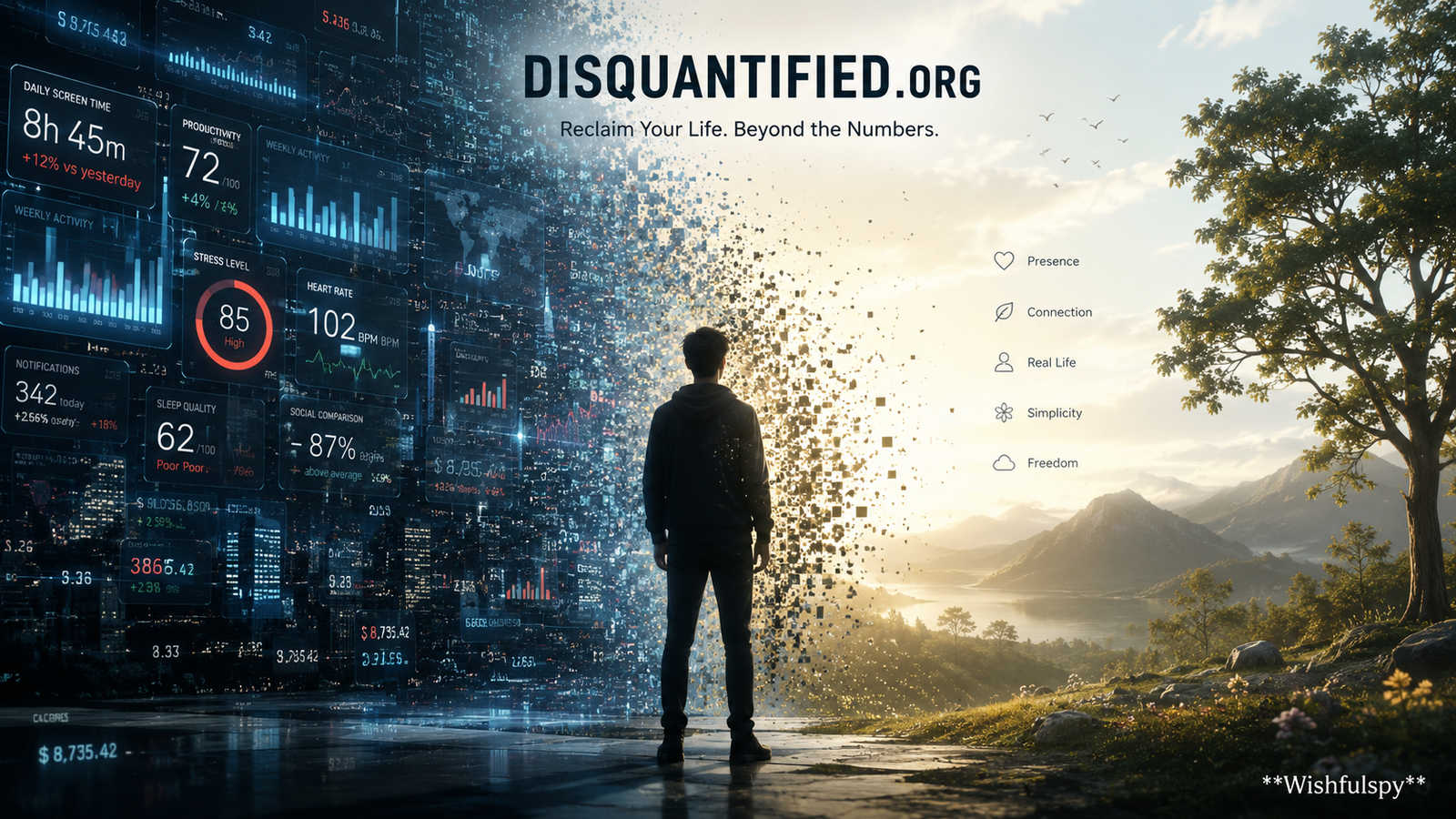
Disquantified.org is a concept-driven digital platform that focuses on how modern society depends heavily on numbers, metrics, and data tracking. In today’s online world, almost every action is measured, whether it is social media engagement, website traffic, or user behavior inside digital applications. The platform explores what happens when human experiences are constantly reduced to data points and performance scores.
The idea behind Disquantified.org is to encourage readers to rethink this dependency on quantification. It highlights that while data is useful, it should not completely define human behavior or decision-making. Instead, it promotes a more balanced understanding where human experience, emotion, and context are equally important alongside measurable information.
The Core Concept of Disquantification in Modern Digital Systems
The central idea of Disquantified.org is “disquantification,” which challenges the overuse of numerical measurement in digital systems. In many modern platforms, everything is tracked and analyzed, from user clicks to time spent on content. This creates a system where human activity is constantly evaluated through metrics.
Disquantification suggests stepping away from this mindset and recognizing that not all meaningful actions can be measured. It questions whether reducing human life to numbers leads to better understanding or simply creates pressure and distortion. The concept is closely linked with discussions about digital well-being and ethical technology design.
At its core, disquantification does not reject data entirely. Instead, it argues for moderation and awareness. It promotes the idea that data should support human understanding rather than replace it.
How Disquantified.org Reflects Modern Data-Driven Culture
Modern digital culture is built on data collection and algorithmic decision-making. Platforms like social media networks, search engines, and e-commerce websites rely heavily on user tracking and analytics to improve engagement and revenue. Disquantified.org examines this culture critically by asking how much of human life should be shaped by these systems.
The platform highlights how constant measurement can influence behavior. When users know they are being tracked or evaluated, their actions may change. This creates a feedback loop where digital systems not only observe behavior but also shape it.
This reflection on data-driven culture is important because it helps users understand that digital experiences are often designed with hidden measurement systems in the background.
Privacy Concerns and Data Ethics in the Disquantified Perspective
One of the strongest themes associated with Disquantified.org is digital privacy. In the modern internet environment, personal information is collected continuously through apps, websites, and online services. This data is often used for advertising, personalization, and behavioral prediction.
Disquantified.org raises awareness about how this data is handled and whether users truly understand what is being collected. It encourages transparency and ethical responsibility from organizations that rely on data systems.
The platform also aligns with broader global discussions about data protection laws and user rights. It supports the idea that individuals should have more control over their personal information and how it is used in digital ecosystems.
Influence of Algorithms on Human Behavior and Decision-Making
Algorithms play a major role in shaping what users see online. From recommended videos to personalized feeds, algorithmic systems decide what content gets attention. Disquantified.org explores how these systems influence human behavior without users always realizing it.
When everything is optimized for engagement, users may be guided toward specific actions, opinions, or content patterns. This raises questions about autonomy and free choice in digital environments. The platform encourages readers to think critically about how much control algorithms should have over daily decisions.
Understanding this influence is important because it reveals that digital platforms are not neutral spaces. They are designed systems with built-in goals that often prioritize engagement over neutrality or balance.
Human-Centered Digital Philosophy Behind Disquantified.org
A key principle of Disquantified.org is the idea of human-centered digital design. This philosophy focuses on building technology that prioritizes human well-being rather than maximizing metrics like clicks or time spent online.
In this approach, success is not measured only by numbers but also by user satisfaction, mental comfort, and meaningful interaction. It challenges the traditional idea that more data always leads to better outcomes.
By promoting human-centered thinking, Disquantified.org aligns with modern discussions in ethical design and responsible technology development. It suggests that digital systems should adapt to human needs rather than forcing humans to adapt to system demands.
The Role of Disquantified.org in Digital Awareness and Education
Disquantified.org also serves as an educational resource for people who want to understand how digital systems work behind the scenes. Many users are unaware of how deeply data collection is integrated into everyday applications.
The platform helps simplify these complex ideas by explaining how tracking systems, analytics tools, and behavioral models operate. It builds awareness about how digital footprints are created and used.
This educational role is important because it empowers users to make more informed decisions about their online activity. When people understand how systems work, they are better able to protect their privacy and control their digital presence.
Applications in Technology, Research, and Digital Development
The ideas presented on Disquantified.org are relevant for researchers, developers, and digital product designers. In technology development, there is increasing interest in building privacy-focused systems that reduce unnecessary data collection.
Researchers can also use these ideas to study how measurement affects human psychology and behavior. For example, excessive tracking may lead to performance pressure or behavioral changes in online environments.
Developers working on apps, platforms, or AI systems can benefit from the concept of disquantification by designing tools that focus less on metrics and more on meaningful user experience. This helps create more ethical and balanced digital products.
Trust, Interpretation, and Critical Understanding of the Platform
Disquantified.org should be understood as a conceptual platform rather than a formal authority or institution. Its content is interpretative and philosophical, meaning it focuses more on ideas and perspectives rather than strict factual reporting.
Because of this, readers should approach the platform with critical thinking. It is valuable for exploring new ways of understanding data and digital systems, but it should be supported with additional trusted sources when making important decisions.
This balanced approach ensures that the platform is used as a learning and reflection tool rather than a sole source of truth.
The Future of Disquantified Thinking in a Data-Driven World
As technology continues to evolve, the amount of data collected in daily life is expected to increase. Artificial intelligence, smart devices, and connected systems all rely on continuous data input to function effectively.
In this environment, the ideas promoted by Disquantified.org become even more relevant. The concept of limiting unnecessary measurement and focusing on meaningful data use may shape future discussions in technology ethics and design.
The future of disquantified thinking may influence how companies build digital products, how governments regulate data, and how users understand their online presence.
Conclusion: Why Disquantified.org Matters Today
Disquantified.org represents a growing awareness that not everything in life can or should be measured. While data is an important part of modern technology, it should not replace human judgment, emotion, or experience.
The platform encourages a more thoughtful approach to digital systems, where privacy, ethics, and human well-being are prioritized. In a world increasingly driven by algorithms and metrics, this perspective offers a valuable reminder to maintain balance between numbers and human reality.